
TruLee
Deodorant
Mineral-based, ingredient-focused, performance-driven
Transparency is our standard
90-DAY NO RISK
MONEY BACK GUARANTEE
Your pits won't quit, or your money back
Many products train you to rely on them. We don't.There is growing conversation around how certain ingredients may interfere with the skin's natural balance, especially with long-term use. When that natural balance is affected, it can contribute to increased odor, leading many people to return to what they think "works."Our product is different than many others on the market. We focus on managing odor without overwhelming the skin.If it seems like our formula isn't working, you may be experiencing a normal adjustment as you transition away from conventional products.Give it time. Many people find they need less as their body returns to its natural balance. That's why we ask you to use it consistently for at least 60 days to experience it as intended. If it's not the right fit for you, you're covered by our 90-day money back guarantee.Our goal is to lessen your need for deodorant altogether. What company would want you to need less of their product? We do. And that is the TruLee difference.
Our Begnnings
Why We're Different
Why TruLee May Be for You

"The change we want to see in this world only happens when someone decides to do something. TruLee is that something."
— Brand Founder, Cyndy Lee
TruLee exists because I couldn't find a deodorant that lived up to my standards.I've always believed in informed choice. As someone who worked in healthcare, I saw it as essential. But in 2021, I saw how quickly and easily that standard was forgotten and no longer upheld. That's when I realized even more how important transparency and informed choice really is.We shouldn't have to search for answers or question what's in the products we use. People deserve clear, honest information about the things that directly effect their health so they can make the right decisions for themselves. Without transparency, there is no informed choice, and that belief is what this brand was built on.What I had lived and experienced changed everything, from the products I chose to put on my body, to the foods I ate. I began reading labels more carefully and making more intentional choices, because I understood what was at stake.Antiperspirants were one of the first things that had to go. My philosophy quickly became, "If you had to change just one personal care product, it should be your antiperspirant or deodorant."I tried the boutique brands, the "clean" brands, and even the popular brands you find in the big box stores that position themselves as better for you. Aluminum-free seems to be the popular standard, and while it's a good start, that alone isn't enough.When I started looking at product labels, I noticed marketing and ingredient lists didn't always match up.Scents were also an issue for me. They were either overpowering, clearly synthetic, or labeled as "fragrance" without a clear explanation of what it contained. It was frustrating not being able to narrow down what I was putting on my skin.TruLee began out of the need for something that hadn't yet existed, and if it did, I never found it. When you can't find the thing you need, you make it yourself.So, I began creating my own deodorant. I started with simple deodorant recipes that contained ingredients like coconut oil, baking soda, beeswax, and arrowroot powder. It was a good start, but it left oily stains on my clothes, and I experienced irritation with prolonged use of baking soda.I spent many nights staying up late researching different ingredients and deodorant brands. And what I found was brands that relied heavily on marketing language like, "every ingredient matters," but when I tried to find those ingredients, I had to sort through layers of marketing. Sometimes I'd find them. Sometimes I wouldn't.The more I searched for answers, the more questions I had, and many of those questions were either left unanswered or met with vague responses.This caused me to dig deeper to find out why this kept happening. What I found was a lot bigger than I had ever anticipated. Brands weren't necessarily being vague on purpose. A product is a sum of all its parts, and sometimes the information regarding those parts isn't passed down the line to the finished product.I realized that part of the break in the chain of communication had a lot to do with manufacturing processes. White and private label manufacturing methods don't always provide brands with the full knowledge of the products their selling. This is because knowledge of the full formula often belongs to the manufacturer, not the brand. That can leave brand owners in a position where it may be difficult to provide answers to the questions their more ingredient-aware customers are asking.What I found caused my focus to shift away from just my own needs. I wanted to created others could rely on as well. My purpose became about helping others lessen the friction I had encountered when searching for answers. It became about creating something that could serve as a starting point for awareness, better questions, and real change.Turning that purpose into something real that would work for more than just myself was an entirely different challenge. Because what works in our own kitchens isn't always what works for the rest of the world. And so it began; four years of failures, setbacks, complete formula overhauls, and a bunch of small wins that finally led to a product I TruLee believe in.Everything I learned, I had to teach myself. What people never saw was the endless research, trial and error, sleepless nights, adjusting the formula by fractions of a percent, and starting over more times than I can count.Nothing about this was straightforward. Every time I fixed one issue, another one showed up. If I reduced oiliness, the formula became too hard. If I made it more heat-stable for shipping in warmer temperatures, it wouldn't glide. If it
performed well, it left a white cast. And if I adjusted for sensitivity, effectiveness dropped.There were times I had to step away. Life didn't make this easy. But I kept coming back to it, because I wasn't willing to settle. And that is what makes this deodorant TruLee different. It wasn't pulled from a catalog. It's not someone else's formula with my label slapped on the front of it. This is something I built, tested, struggled through, and refined over four years. There is a great level of care, detail, and persistence behind it. And that same level of intention carries into the label.That level of care continues as TruLee moves into the next phase, bringing it to those who have been searching for something better. So, if you're still searching, hold on. It's almost here!
Mission
TruLee Body Care was created to bring transparency and education to personal care.Consumers deserve to know what they are putting on their bodies. Through detailed ingredient lists and scannable product QR codes, customers can learn about each ingredient and the role it plays in the formula.We formulate with a philosophy inspired by COSMOS standards, prioritizing plant and mineral derived ingredients.Beyond creating intentional products with an emphasis on safety and effectiveness, TruLee exists to help consumers understand ingredient labels and how to transition from conventional antiperspirants and deodorants to alternatives that prioritize ingredient integrity.
Making the Switch
Making the switch from antiperspirants to a mineral-based deodorant isn’t just about making a decision to be more intentional with the products you choose to put on your body. It’s also about how your body adapts to the change.Sweat itself doesn’t cause odor. Odor occurs when bacteria breaks it down.Traditional antiperspirants are designed to partially block sweat by forming plugs in the sweat ducts. This helps keep the underarm area drier and can also help limit bacterial activity. But when you stop using antiperspirants, more sweat may be present, which can increase moisture and allow more bacteria to grow.At the same time, residue from past products may begin to clear as the sweat pathways are no longer being blocked. As that happens, the skin may need to adjust to a more active environment, and odor can be more noticeable for a period of time.During this time, it may seem like a natural deodorant isn’t working. In reality, your body is adjusting as it returns to its normal function.Natural deodorant works differently than antiperspirants. It does not block your body’s natural process of sweating. Instead, it helps control odor while allowing your skin to function normally.Some people may benefit from extra support during the transition. Underarm masks made with ingredients such as bentonite clay or charcoal can help remove built up residue and refresh the skin during the adjustment period. This step is optional and may be helpful for some.Everyone’s body is different. Some people transition quickly, while others take more time. Staying consistent throughout the process is important as you give your skin the chance to gradually adjust.
INCI Explained
Why Full Ingredient Transparency Matters
What is INCI?
INCI stands for International Nomenclature of Cosmetic Ingredients. It is the standardized naming system used across the cosmetic industry to identify ingredients on product labels.In theory, that sounds simple. In practice, it often is not.INCI was created to bring consistency to labeling, but consistency is not the same thing as clarity. A label can be technically compliant and still leave the average consumer confused. Some ingredients sound harsher or more synthetic than they are. Others sound harmless or simple while revealing very little. And some terms can cover far more than most people realize.That is why INCI matters.
Why consumers should care
Most people assume that if they read the label, they know what is in the product.That is not always true.A cosmetic label may follow the rules and still not give the consumer a clear picture. The problem is not only the complexity of chemical names. The problem is also the way the market relies on umbrella terms, marketing language, and partial disclosure.Consumers are often taught to look for buzzwords like clean, natural, non-toxic, or dermatologist tested. But those words do not tell you what is actually in the formula. Ingredient disclosure does.
What INCI does well
INCI has real value. It gives the industry a common language. It makes labeling more standardized across brands and countries. It helps manufacturers, formulators, retailers, and regulators refer to the same ingredient by the same recognized name.Without INCI, cosmetic labeling would be even more inconsistent than it already is.
Where INCI falls short for consumers
A standardized name does not automatically tell a consumer:
• how processed an ingredient is,
• where it came from,
• why it is there,
• whether it is being fully disclosed in plain language,
• whether a broader term is hiding multiple substances.This is one of the biggest disconnects in the current market. Consumers are encouraged to read labels, but many labels are not written in a way that genuinely helps them understand what they are reading.The weakness of INCI is not that it exists, but rather how it is used.
The fragrance problem
On many cosmetic labels, the word fragrance can appear as a single term instead of listing every aromatic component individually. That means a consumer may see one word and assume it refers to one simple ingredient, when in reality it can represent a blend.That does not mean every fragrance is automatically harmful. It does mean the label may not be giving the consumer full visibility.This matters because it is important to understand whether a formula is fully transparent or whether part of it is being grouped under a broad labeling term.
What we mean by "umbrella terms"
An umbrella term is a label that represents multiple ingredients without naming each one individually.Instead of full disclosure, a broad term is used to group components together.Common examples include:
• Fragrance can represent a blend of multiple aromatic compounds that are not individually listed• Emulsifying Wax is not a true INCI name, but a generic label that can refer to different ingredient combinations depending on the manufacturerFor example, what is sold as “emulsifying wax” is often a blend such as:
• cetearyl alcohol + polysorbate 60
• cetearyl alcohol + ceteareth-20Each of these has its own recognized INCI name, but when grouped under a generic term, the full composition is no longer visible to the consumer.This is where labeling shifts from clear disclosure to partial disclosure.The difference matters.When individual components are not named, the consumer cannot fully evaluate what is in the product, only what is being presented on the surface.If a label relies on umbrella terms, it can become a form of selective disclosure, rather than transparency.
What is happening in the market right now
The current cosmetic market is full of products presented as clean or natural. But those front-facing terms do not always give a clear representation of what is provided on the ingredient list. This creates what is referred to as opacity, where the overall impression feels clearer than the ingredient disclosure actually is.That opacity shows up in a few common ways:
• ingredient names that are technically correct but not consumer-friendly
• umbrella terms that conceal complexity
• front-label marketing that sounds clearer than the back label actually is
• selective storytelling about “hero ingredients” while the full formula receives much less attention.At the same time, regulators are pushing in some areas for more disclosure, especially around fragrance allergens. That alone highlights a growing recognition that consumers are not always being given the full picture.
Compliance is not the same as transparency
A brand can be legally compliant and still not be fully transparent.That distinction matters.Compliance means meeting the minimum labeling rules. Transparency means telling the truth clearly enough that the customer can actually understand it.Those are not always the same thing.A label should not force the consumer to guess which ingredients are fully disclosed, which are grouped, which are heavily processed, or which terms are being used because they sound cleaner than they really are.
Why INCI matters
Ingredient disclosure matters because it allows people to make informed decisions.It matters for people with sensitivities.
It matters for people avoiding certain ingredient classes.
It matters for people trying to understand the difference between a truly transparent formula and a formula that is simply marketed well.When brands disclose clearly, consumers can compare products more honestly. When labels rely on umbrella terms and selective language, trust can erode.
Our Position
We believe ingredient transparency should go beyond what is required.That means:
• using recognized ingredient names where required
• explaining ingredients in plain language in addition to the INCI
• disclosing what is in the formula without hiding behind vague umbrella terms
• helping people understand not only what an ingredient is called, but what it actually is and what it doesWe do not believe consumers should need a chemistry degree to understand a deodorant label.
The standard we believe in
The goal should not be to sound cleaner, but to be clearer.Clarity builds trust, and that starts with honest labeling.
Ingredients
You deserve to know exactly what's going on your body, not just what sounds good.Below is our full ingredient list, exactly as it should be. Nothing more, nothing less.
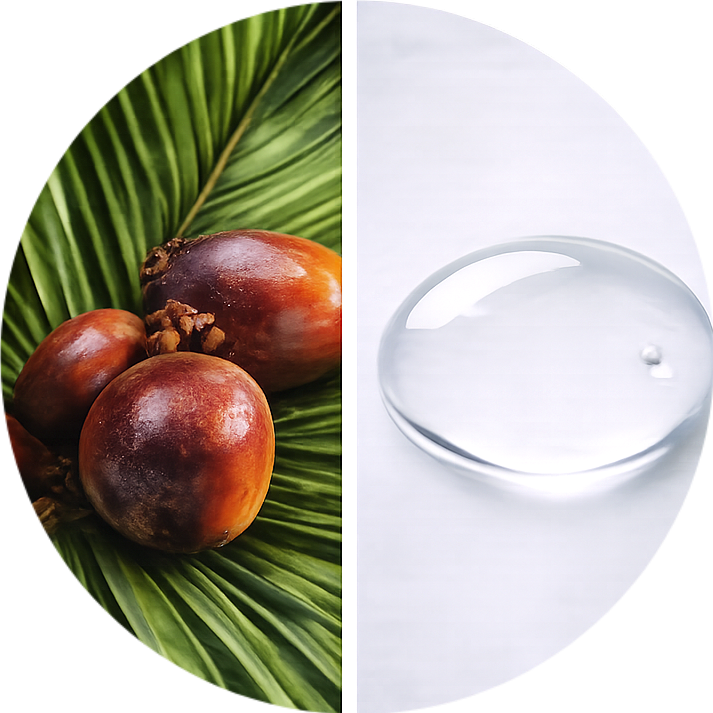
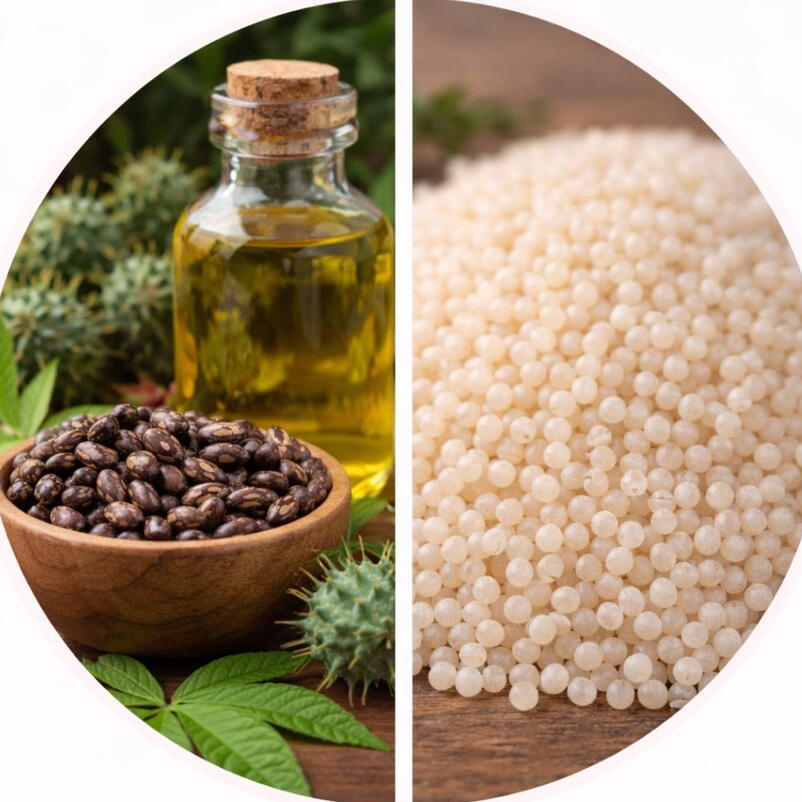
Caprylic/Capric Triglyceride (CCT)
Derived from palm-based fatty acids and glycerin.Processed by isolating medium-chain fatty acids and converting then into a lightweight, stable oil.Helps evenly disperse ingredients while improving glide and skin feel. Absorbs quickly with a lightweight, non-greasy fell and supports easy, smooth, application.
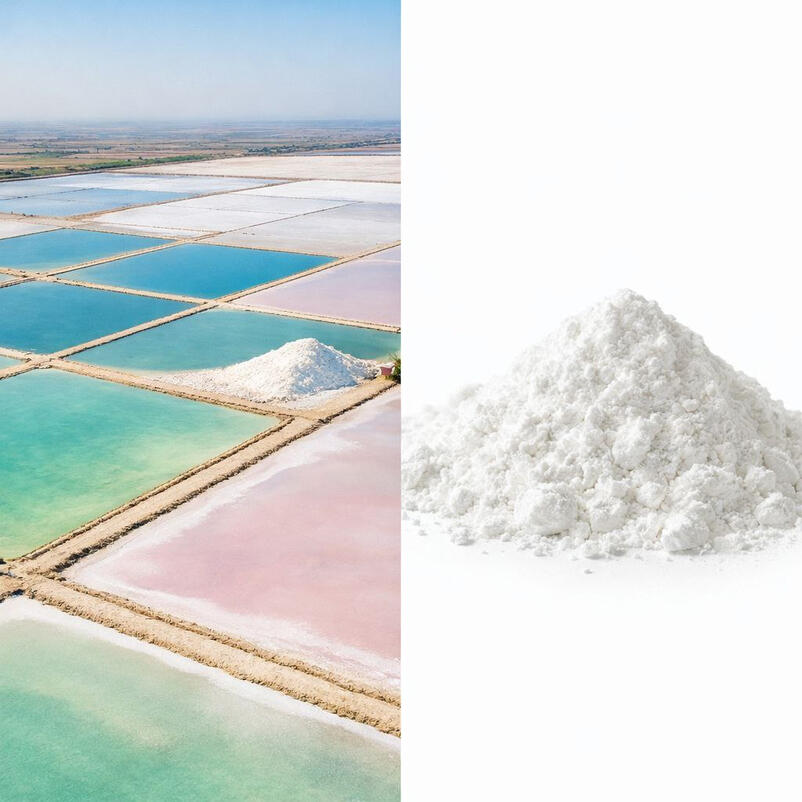
Magnesium Hydroxide
Derived from naturally occurring magnesium minerals.Processed and purified to create a fine, stable powder.Helps control odor by creating a less favorable environment for odor-causing bacteria while remaining gentle on the skin. Commonly used as a gentler alternative to baking soda.
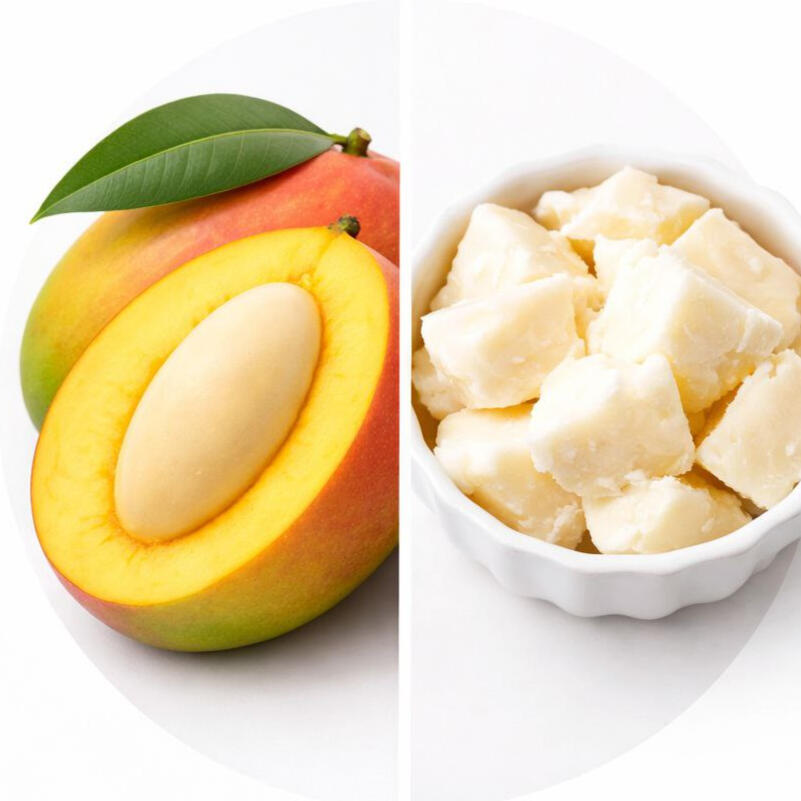
Mango Butter
INCI: Mangifera Indica Seed Butter
Derived from the seed (kernals) of the mango fruit.Extracted by pressing the mango seed.Helps condition and soften the skin while supporting the skin's natural moisture barrier and contributing to a smooth, consistent texture and glide.
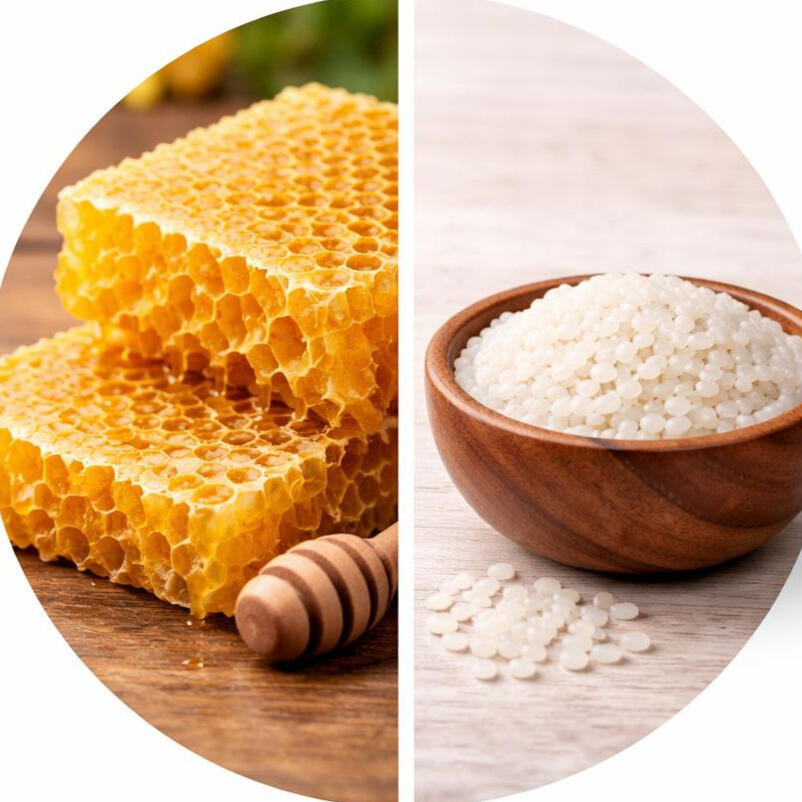
Beeswax
INCI: Cera Alba
Derived from beeswax produced by honeybees.Purified through melting and filtration to create a clean, usable wax. It can be further refined to produce white wax.Provides structure and firmness, improves stability in warmer temperatures, and helps form a smooth, breathable layer on the skin.
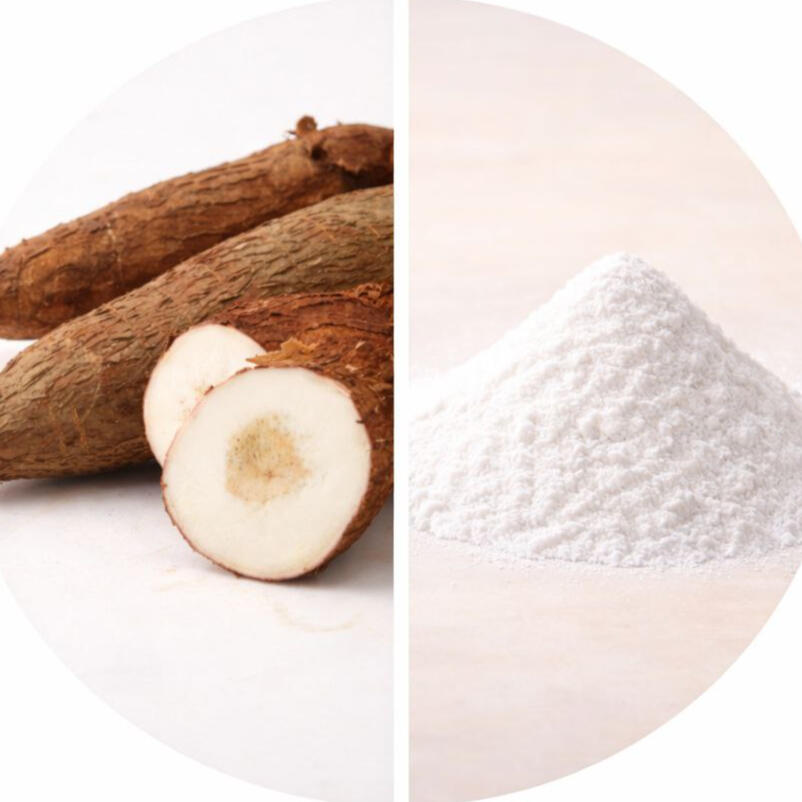
Tapioca Starch
Derived from the root of the cassava plant.Extracted by washing, separating, and drying the starch from the cassava root to produce a fine, lightweight powder.Helps absorb excess and improve overall skin feel for a more comfortable application.
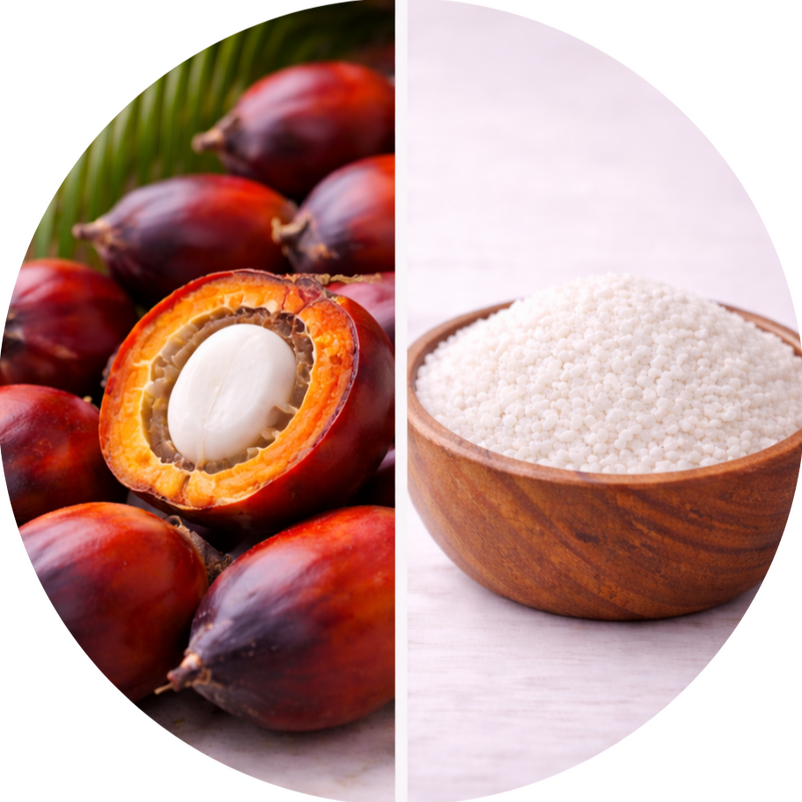
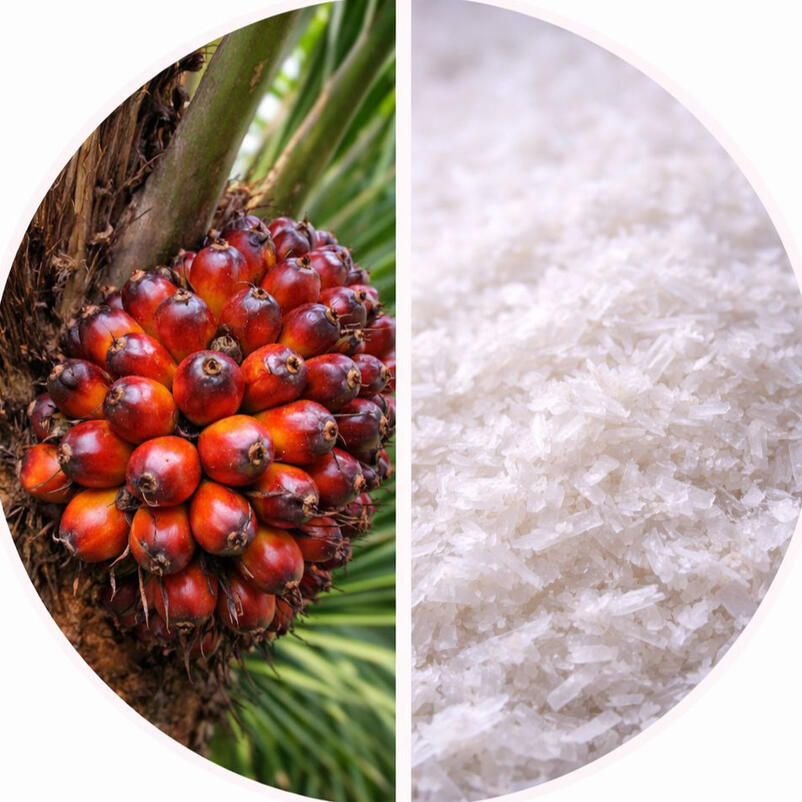
Cetearyl Alcohol
Derived from palm-based fatty alcohols.Processed to produce a blend of fatty alcohols (cetyl and stearyl alcohols) that form a stable, wax-like ingredient.Provides structure, improves glide, and helps stabilize the formula while giving the deodorant a smooth, creamy application and maintaining firmness.Note: Despite the name, this is not the type of alcohol people typically think of. It is a waxy solid, not a drying liquid alcohol.
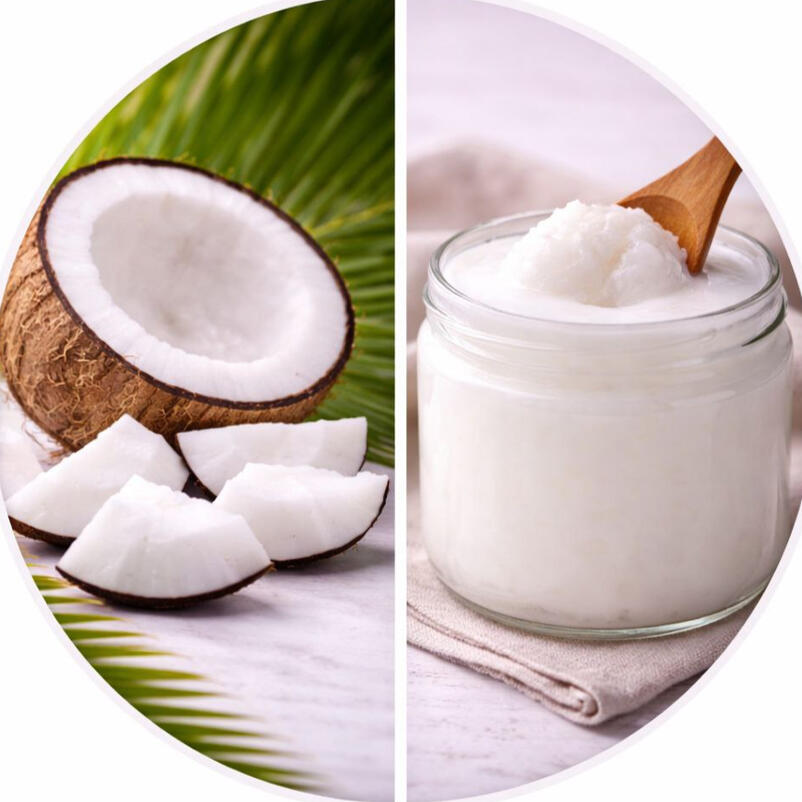
Virgin Coconut Oil
INCI: Cocos Nucifera
Derived from the meat of the coconut.Processed through mechanical pressing to produce an unrefined oil with minimal processing.Helps soften and condition the skin, improves glide during application, and contributes to the overall structure and stability of the product.
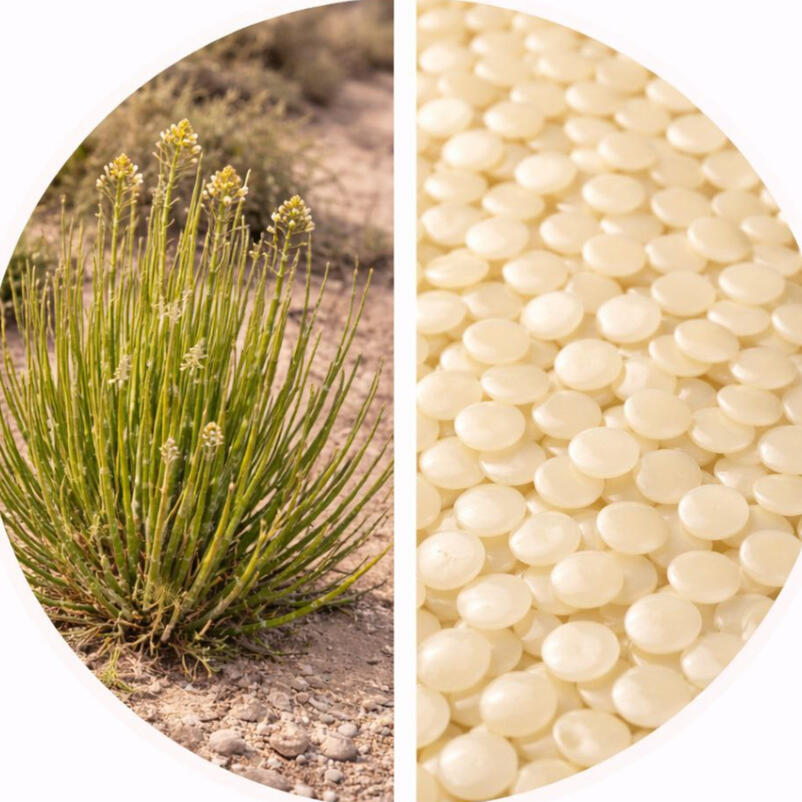
Candelilla Wax
INCI: Euphorbia Cerifera (Candelilla) Wax
Derived from the leaves of the candelilla shrub.Processed by extracting the plant material, then filtered and solidified into a firm, stable wax.Provides structure and firmness, supports stability in warmer temperatures, and contributes to a smooth, consistent glide with a lighter skin feel compared to heavier waxes.
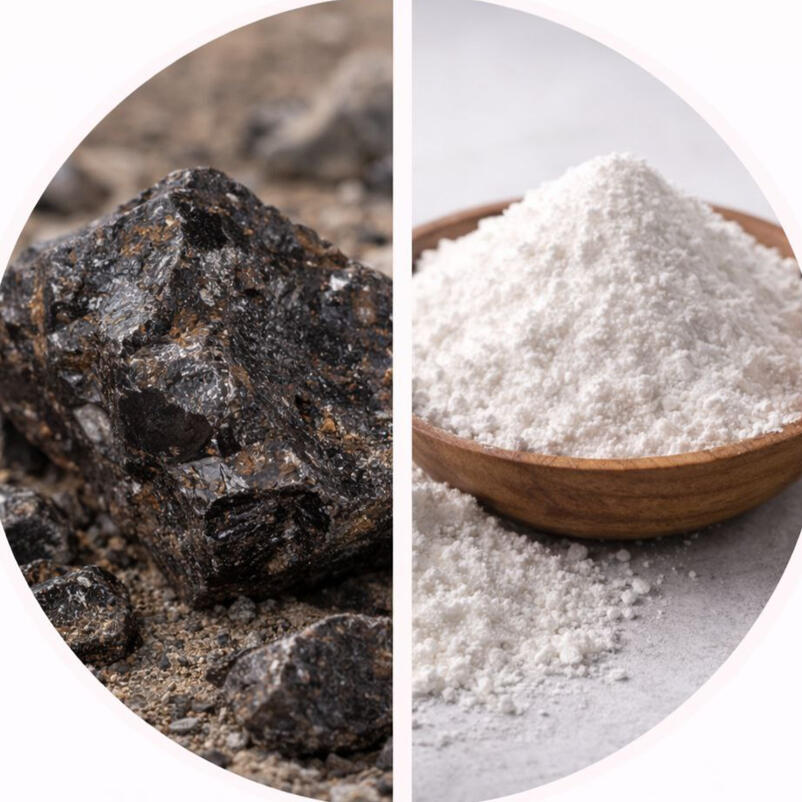
Zinc Oxide
Derived from naturally occurring zinc minerals.Processed through purification and micronization to create a fine, smooth powder suitable for topical use.Helps control odor, soothes the skin, and helps form a gentle, breathable layer while assisting with moisture management for a more comfortable skin feel.
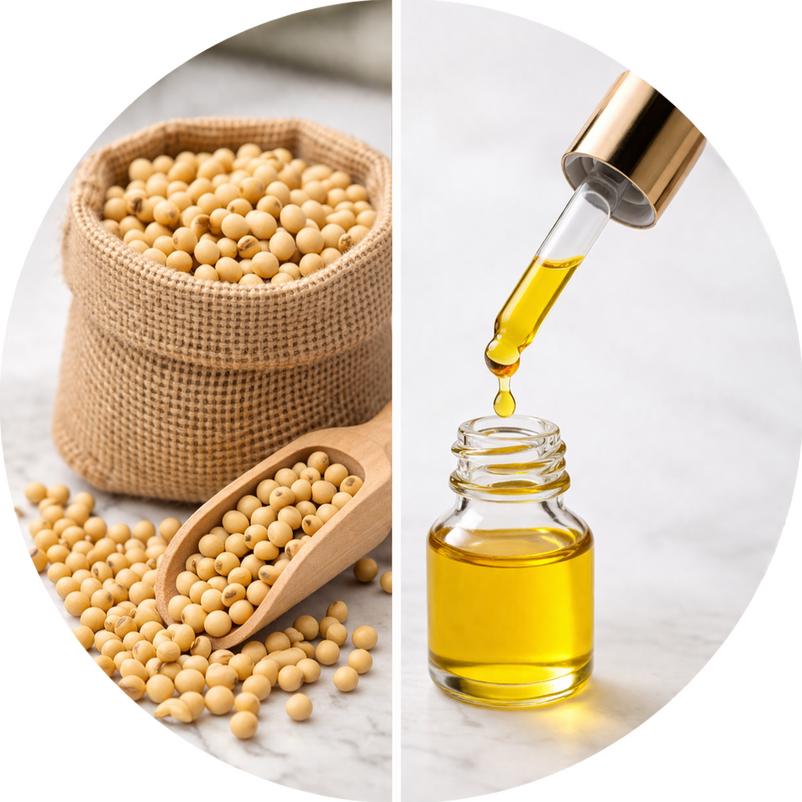
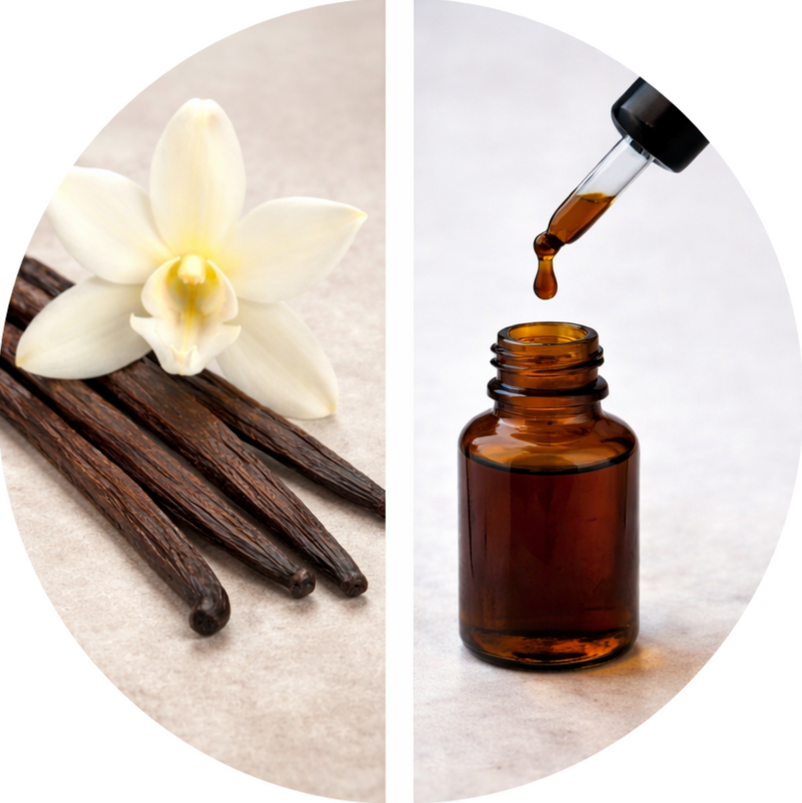
Vanilla CO₂ Extract
INCI: Vanilla Planifolia Fruit Extract
* Vanilla-scented option only *
Derived from vanilla beans.Processed by carbon dioxide (CO₂) extraction to isolate aromatic compounds, resulting in a concentrated, oil-compatible extract.Provides a warm, naturally derived scent and contributes to a smooth, balanced sensory profile with a simpler composition compared to many essential oil blends, and may be preferred by individuals looking to avoid common essential oil allergens.
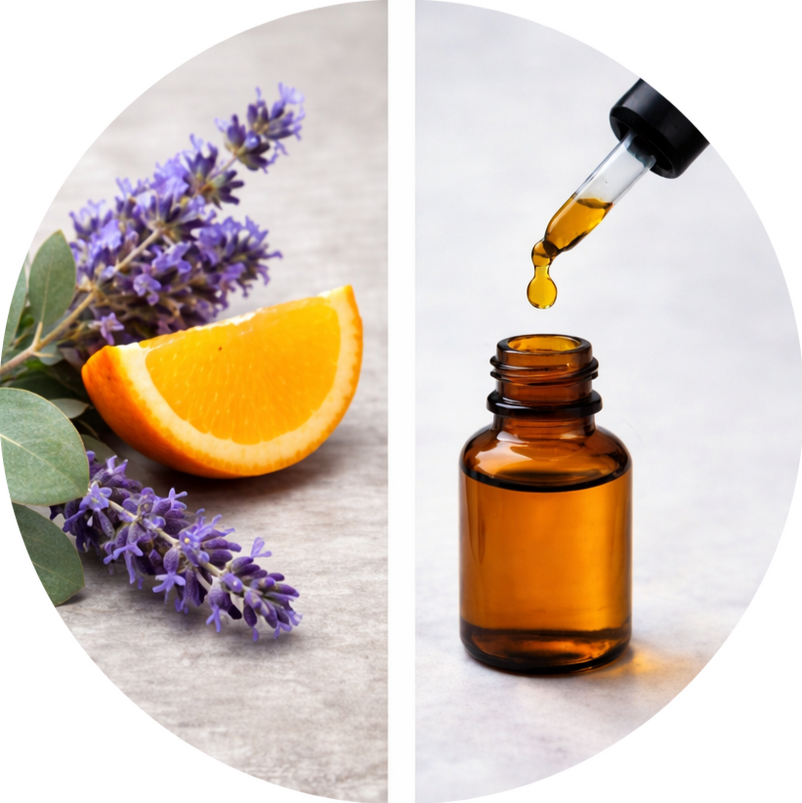
Essential Oils
INCI: Varies by oil (e.g. Lavandula Angustifolia Oil - Lavender)
* Essential oil options only *
Derived from plants such as flowers, leaves, or peels.Processed by steam distillation or cold pressing to extract aromatic compounds. Provides natural scent and contribute to the overall sensory profile of the product.Transparency Note:
Essential oils naturally contain fragrance allergens that are part of the natural composition of the oil. Individuals with sensitivities may prefer the unscented or vanilla option.A patch test is recommended before use. Discontinue if irritation occurs. Avoid use on broken or irritated skin.
How we built this formula
This formula was built with a focus on safety and effectiveness using ingredients derived from plant, mineral, and wax sources from both botanical and bee-derived origins.Each ingredient was chosen for a specific purpose, whether to support odor control, improve glide, or create a smooth, balanced feel.The system is centered around magnesium to help neutralize odor, supported by additional ingredients that work together to manage moisture and overall skin feel.The result is a deodorant that applies smoothly, feels comfortable on the skin, and performs reliably without unnecessary additives or heavy fragrance.

What you won't find here
We leave out ingredients that don’t meet our standards for clarity, performance, and transparency.This includes:
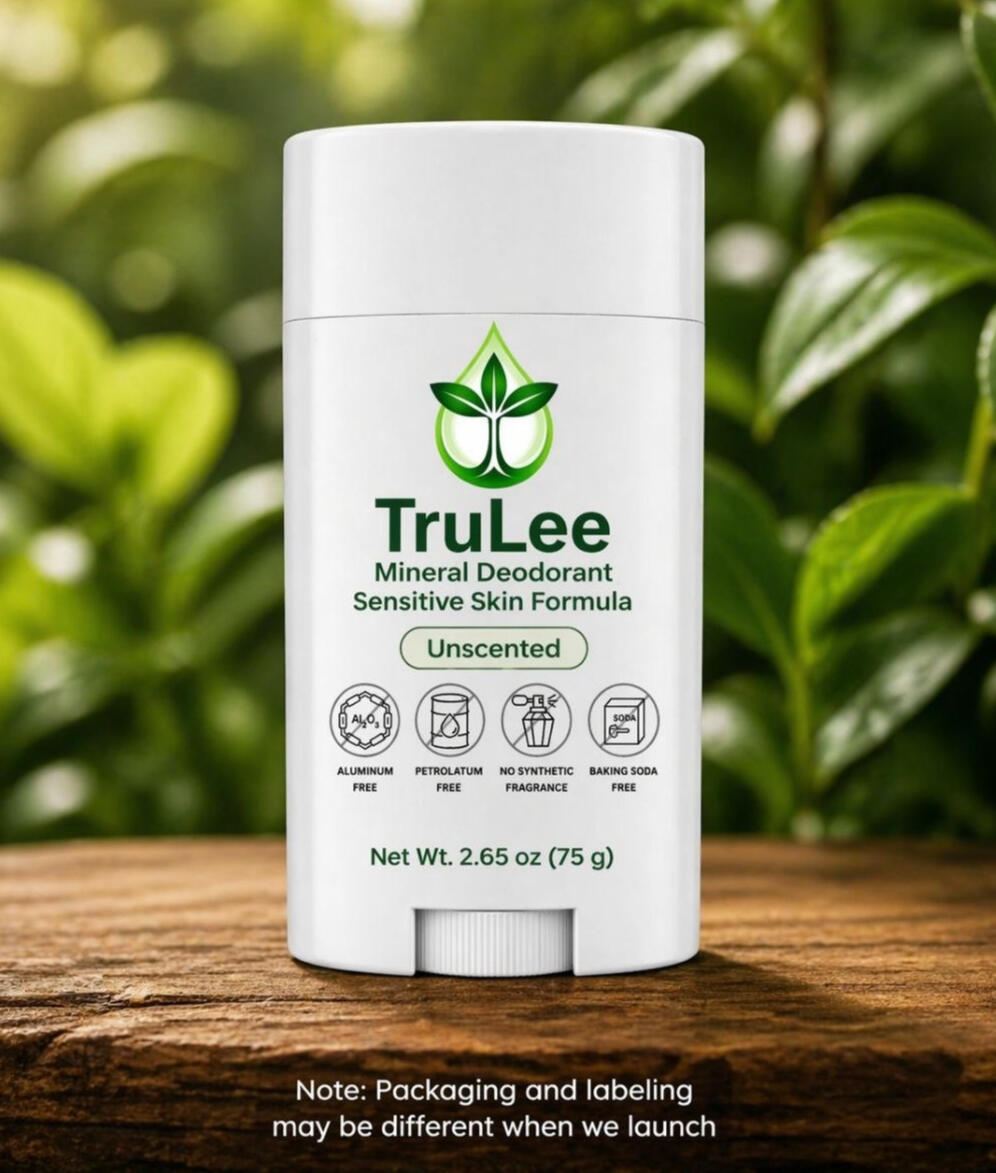
• Aluminum compounds
• Petroleum-derived ingredients (mineral oil, mineral wax, ozokerite, paraffin)
• Preservatives
• Synthetic solvents (propylene glycol, butylene glycol)
• Synthetic fragrance or parfum
• Undisclosed scent blends
• Parabens and phthalatesWhen you see the word “fragrance” on many labels, it can represent a blend of undisclosed ingredients, often including synthetic compounds. We don’t use hidden fragrance blends. Every ingredient in our formula is fully disclosed.Our formula is anhydrous (contains no water), which means it does not require preservatives.If it doesn’t serve a clear purpose or meet our standards, it doesn’t make it into the formula.
FAQs
What We Advocate For
🌸 Full Fragrance Transparency
Fragrance ingredients should be clearly disclosed, rather than grouped under general terms like "fragrance" or "parfum."
Why it matters:
Frangrance blends can contain multiple individual ingredients, some of which may cause sensitivity in certain people. Without full disclosure, consumers cannot make fully informed choices based on their personal needs.We believe transparency should extend to all ingredients used to create scent, not just a single umbrella term.
🌐 Online Ingredient Disclosure
Product listings online should reflect the same level of detail and accuracy as the physical product label, including full ingredient disclosure.
Why it matters:
Consumers often rely on online ingredient lists when making purchasing decisions. If the information presented online is incomplete or simplified, it can lead to misunderstandings about what is actually in the product.The label is intended to provide complete information, and that same information should be accessible before purchase.
↔️ INCI Paired with Common Names
Common ingredient names should not be used on product labels unless they are accompanied by the proper INCI (International Nomenclature of Cosmetic Ingredients) name.
Why it matters:
Common names can vary and may not fully represent the ingredient used. INCI names provide a standardized way to identify ingredients clearly and consistently across products.We believe consumers should be able to easily recognize both the familiar name and the standardized INCI to better understand what they are using.
🌿 Clear Communication Around Essential Oils
Clear, consistent communication when essential oils are used, including guidance for proper use.
Why it matters:
Essential oils naturally contain fragrance compounds that may cause sensitivity in certain individuals. Some of these compounds are recognized as allergens, and disclosure requirements may vary per region.In the United States, there are currently no specific requirements to disclose individual fragrance compounds within essential oils or to include guidance such as patch testing on cosmetic product labels. As a result, consumers may not always receive context about how these ingredients may affect them.We believe even simple, clear communication can make a difference. This includes stating when a product contains essential oils, providing guidance such as patch testing prior to use, and indicating the INCI name of the essential oil alongside the common name in the ingredient list.This level of transparency helps consumers make more informed and appropriate choices when using these products.
📖 Clear Definitions
Terms such as "clean," "natural," and "non-toxic" should be clearly defined and used consistently, rather than applied broadly without explanation.
Why it matters:
These terms are widely used in marketing but do not have a universal or standardized definition. As a result, products with very different ingredient profiles can be described using the same language.Without clear definitions, consumers may assume a level of consistency that does not exist. We believe brands should clearly communicate what these terms mean within the context of their own formulations, rather than relying on undefined or generalized claims that can be interpreted in different ways.
🔍
Transparency builds trust.
Our goal is to raise the bar so consumers can make confident and informed decisions.
Contact Us
We look forward to hearing from you
What Our Logo Represents
Performance
Integrity
Transparency
• Leaves: Performance, Integrity, and Transparency (P.I.T.).• Tree Trunk: A strong foundation. Everything in the brand is built on clear standards, and supported by a structured formulation.• Drop: The formulation itself — a controlled oil-based system where every ingredient has a purpose.